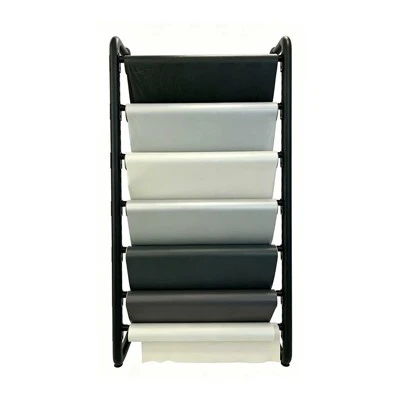
The physical properties of light-blocking black film are primarily defined by its mechanical characteristics, including tensile strength, elongation at break, and tear resistance. These metrics determine the film's stability during processing, transportation, and actual use. Generally, while ensuring high light-blocking performance, the film must also possess good flexibility to accommodate various packaging shapes and lamination requirements.
Light-blocking black film typically requires consistent thickness to ensure stable overall performance. Uneven thickness distribution can lead to localized structural weakness or inconsistent light-blocking effects, thereby compromising functionality. Consequently, manufacturers employ in-line inspection and process control to ensure the stability of the film's physical structure.
These films generally maintain stable performance within a specific temperature range, resisting significant deformation or cracking. They also exhibit a degree of weather resistance and aging stability, allowing for a long service life under standard storage and usage conditions. However, performance may still be affected by exposure to high temperatures, intense ultraviolet radiation, or extreme environments.
Light-blocking black film also exhibits specific surface characteristics-such as flatness and smoothness-that influence downstream processing performance, including printing, lamination, and heat sealing. Overall, the film's physical properties must balance its light-blocking function with processing adaptability and reliability in practical applications.