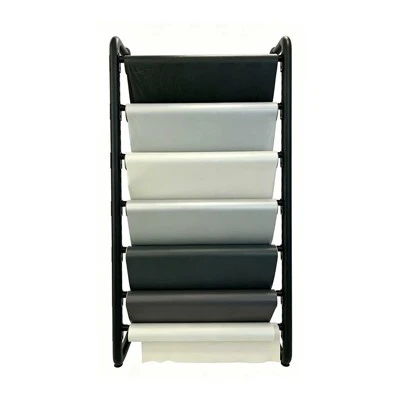
Black light-blocking films offer a degree of thermal insulation, primarily by absorbing and blocking solar radiation. Containing significant amounts of dark, light-absorbing materials-such as carbon black-these films effectively absorb visible light and a portion of near-infrared radiation. They convert light energy into heat and dissipate it within the material itself, thereby reducing heat transfer into the enclosed space.
These films are highly effective at limiting solar heat gain, particularly in direct sunlight. By reducing light transmission, they slow the rate of temperature rise in the covered area and help moderate the local ambient temperature. Consequently, the material helps maintain relatively stable temperatures in applications such as agricultural ground cover, warehouse shading, and temporary protective shielding.
The thermal insulation performance of black light-blocking films depends on factors such as thickness, material structure, and the operating environment. Thicker or multi-layered films generally offer superior thermal resistance, whereas single-layer films provide more limited insulation. Furthermore, insulation performance may diminish over time under high temperatures or prolonged exposure to sunlight; therefore, these films are often used in conjunction with ventilation or other insulation measures.
Overall, the thermal insulation provided by black light-blocking films serves a supplementary function. While they offer the advantages of low cost and application flexibility, they are typically combined with other thermal insulation or reflective materials in scenarios requiring high-performance thermal control to achieve more stable temperature regulation.