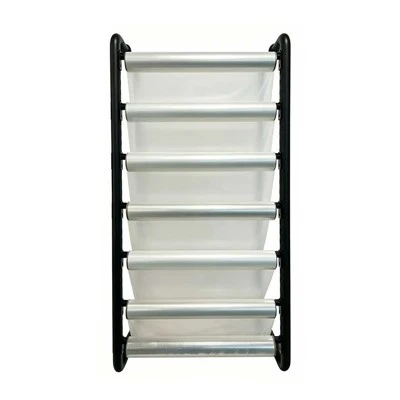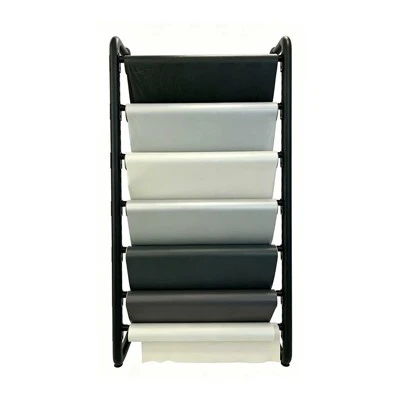
High-translucency white films are typically composed of high-molecular-weight polymers as the base material, with polyethylene (PE), polypropylene (PP), and polyester (PET) being common choices. These materials possess excellent film-forming capabilities and mechanical properties, providing the film with essential strength, toughness, and processing stability, while also establishing the foundation for the product's overall physical characteristics.
To achieve the "high-translucency white" optical effect, white functional fillers and optical modifiers-such as titanium dioxide, calcium carbonate, or barium sulfate-are incorporated during production. Through light scattering, these fillers allow the film to maintain a certain level of light transmission while exhibiting a uniform white appearance, thereby striking a balance between transparency and opacity.
Various functional additives are also included to enhance the film's processing and performance characteristics; examples include dispersants, antioxidants, lubricants, and antistatic agents. The addition of these agents improves the film's stability, aging resistance, and processing flow, ensuring consistent and reliable performance during actual production and application.