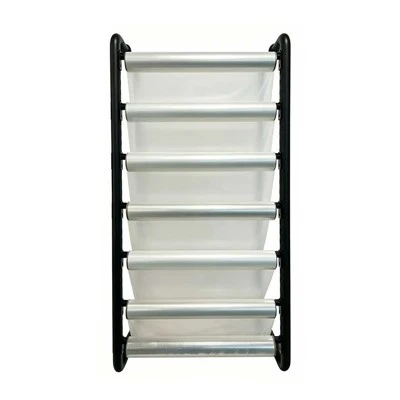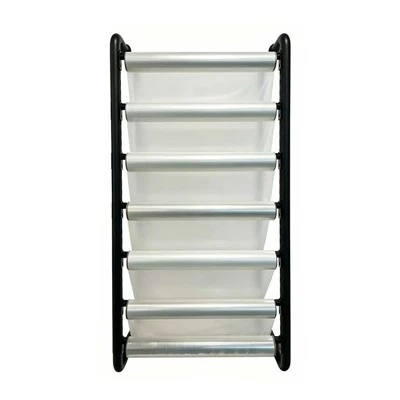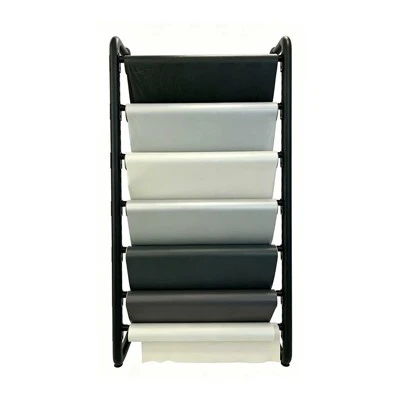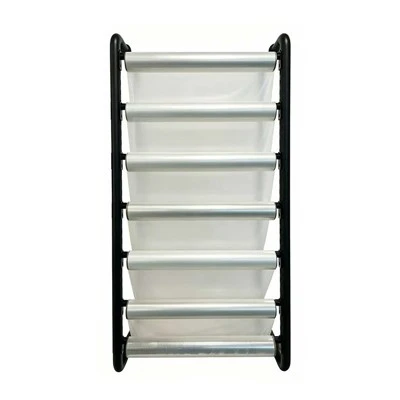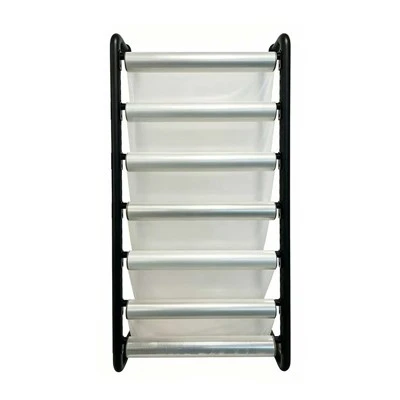
The thickness of high-transparency white film is typically determined by the intended application and functional requirements, generally ranging from 0.02 mm to 0.15 mm. Thinner specifications are commonly used for lightweight packaging, label lamination, and disposable products, where flexibility and cost-effectiveness are prioritized. Conversely, thicker specifications are utilized in industrial packaging, composite material substrates, or applications requiring high strength, ensuring adequate tensile and burst resistance.
Thickness affects not only the film's mechanical properties but also its optical characteristics. As thickness increases, opacity and whiteness generally improve, though light transmission may decrease. Therefore, formulation design and process control must balance thickness, light transmission, and haze to meet specific visual and functional requirements for various applications.
Thickness uniformity is a critical quality control parameter for high-transparency white film. Real-time monitoring via in-line thickness measurement systems, combined with process parameter adjustments, is essential to ensure that thickness variations across both the transverse and machine directions remain within acceptable limits. Good thickness uniformity enhances product stability and minimizes quality issues during subsequent processing stages.