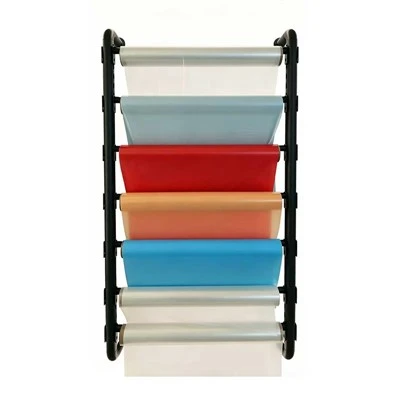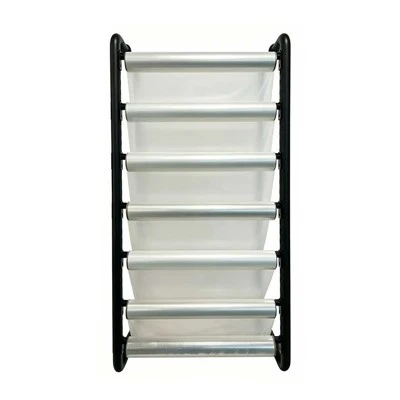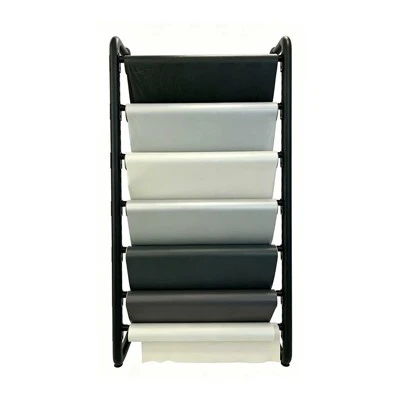
Performance testing for high-transparency white films typically encompasses optical properties, mechanical properties, and appearance quality to ensure the product meets the requirements of various application scenarios. Optical testing focuses on parameters such as light transmission, haze, and whiteness. Light transmission measures the film's ability to allow light to pass through; haze indicates the degree of light scattering; and whiteness reflects the material's overall color characteristics. Together, these parameters determine the film's visual performance.
Mechanical property testing generally covers tensile strength, elongation at break, and tear resistance. Standardized tensile tests allow for the assessment of the film's deformation and load-bearing capabilities under stress, thereby determining whether it possesses sufficient stability and durability for actual use. Additionally, thickness uniformity is a critical testing parameter, as it directly impacts the film's overall performance.
Tests regarding appearance and functionality focus on identifying surface defects-such as bubbles, gel particles (fish-eyes), impurities, or scratches-while also evaluating heat-sealing performance, weather resistance, and aging resistance. Comprehensive analysis of these test results enables a thorough assessment of the film's quality, providing a basis for optimizing production processes and selecting appropriate applications.