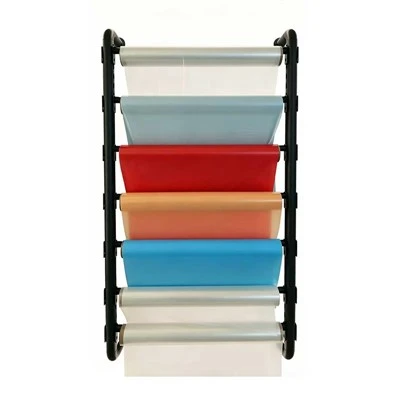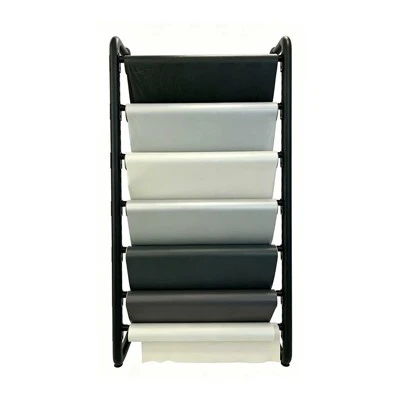
During storage, light-blocking black film should be kept in a dry, well-ventilated environment away from direct sunlight to prevent performance degradation caused by light exposure or fluctuations in temperature and humidity. It is generally recommended to store the material in a warehouse with a stable temperature to avoid deformation of the film rolls or uneven internal stress resulting from extreme temperature changes.
The storage environment should be kept at low humidity to prevent moisture absorption or surface condensation. Excessive humidity can not only affect the film's physical properties but also lead to blocking (sticking together) or surface defects during subsequent processing. Therefore, whenever possible, moisture-proof packaging or desiccants should be used for additional protection.
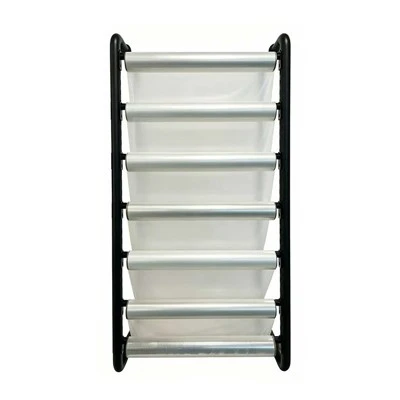
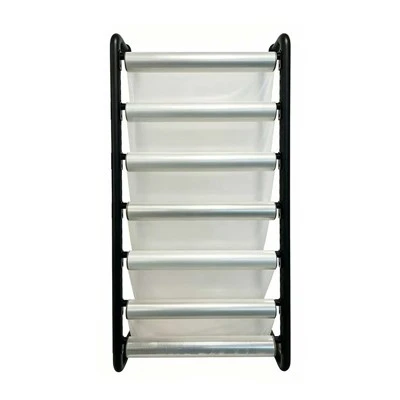
Light-blocking black film is typically stored neatly in roll form-either horizontally or vertically-and must be protected from heavy pressure or uneven loads to prevent core deformation or edge damage. Contact with sharp objects or corrosive chemicals must also be avoided to prevent physical or chemical damage that could compromise product quality.
Storage management generally follows the "First-In, First-Out" (FIFO) principle to minimize the risk of performance changes associated with prolonged storage. For long-term inventory, periodic spot checks should be conducted to inspect packaging integrity and material condition, ensuring the film still meets performance specifications prior to use and guaranteeing consistent results in the final application.