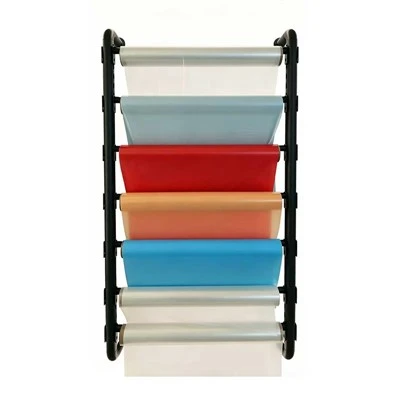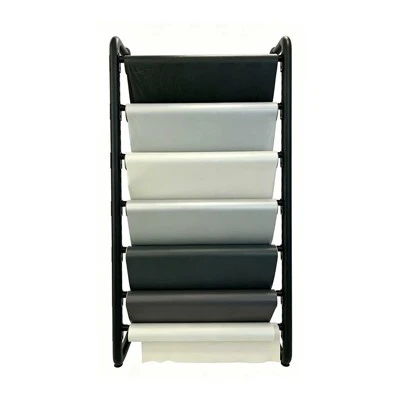
In the construction sector, low-transparency films are widely used on window and door glass, curtain walls, and interior partitions. They effectively reduce light transmission and glare, thereby enhancing privacy. Certain functional low-transparency films also offer thermal insulation and UV protection, helping to lower building energy consumption and improve indoor comfort.
In the automotive industry, low-transparency films are commonly applied to side windows, rear windows, and sunroofs. By regulating light transmission, they reduce glare from direct sunlight and improve the driving and riding experience. Additionally, these films block a portion of ultraviolet and infrared radiation, lowering cabin temperatures and enhancing safety by keeping glass fragments adhered in the event of an impact.
Low-transparency films also find extensive application in electronics and packaging. For instance, they serve as anti-glare materials in display devices, improving screen visibility in bright environments; in packaging, they protect contents by blocking light that could otherwise compromise product quality. Furthermore, these films play significant roles in fields such as medical devices, industrial equipment, and specialized optical materials.