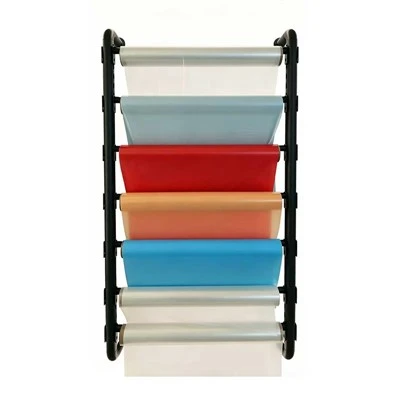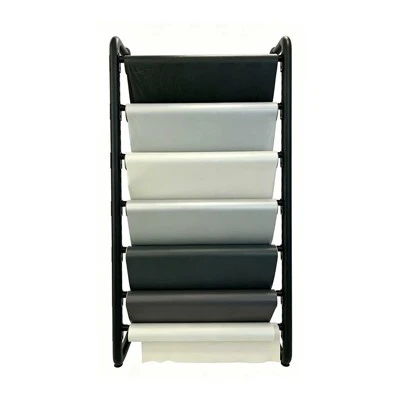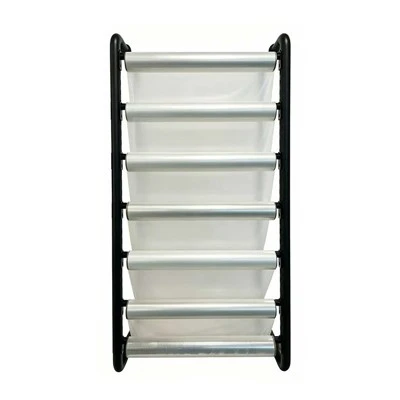
Low-transparency films typically exhibit low light transmittance; their surfaces strongly absorb, scatter, or reflect incident light, resulting in a semi-transparent or opaque visual appearance. These films effectively reduce light penetration and glare, making them highly valuable for applications requiring light blocking, privacy protection, or light modulation.
In terms of physical properties, low-transparency films not only provide effective screening but also block ultraviolet and certain infrared rays. By adjusting material composition and manufacturing processes, their weather resistance, abrasion resistance, and mechanical strength can be further enhanced, ensuring stable performance and a long service life even in demanding environments.
Low-transparency films are widely used in architectural glass, automotive window films, packaging materials, and electronic displays. Beyond improving product aesthetics, they enhance thermal insulation, energy efficiency, and safety. Driven by continuous advancements in materials technology, these films are evolving toward greater functionality, multi-layer composite structures, and high-performance capabilities.