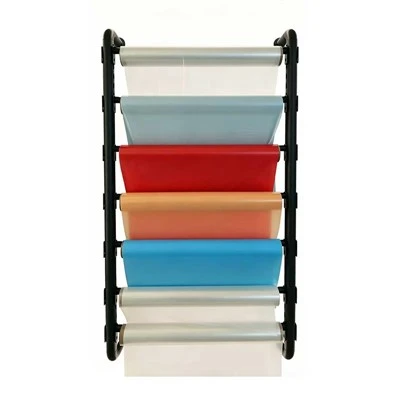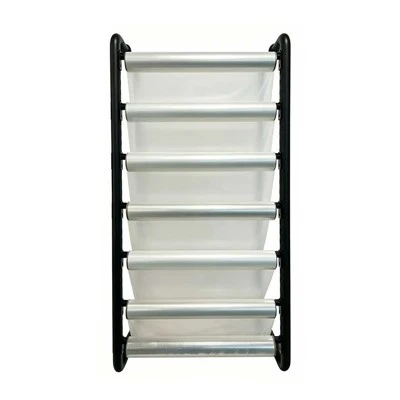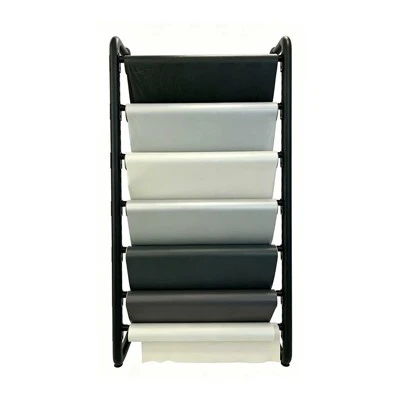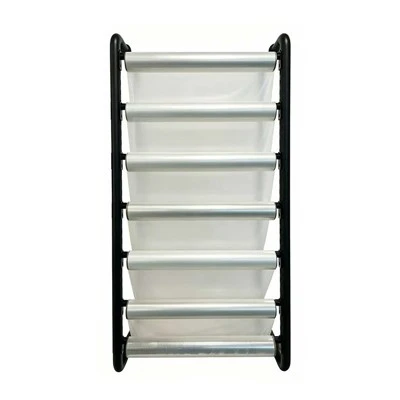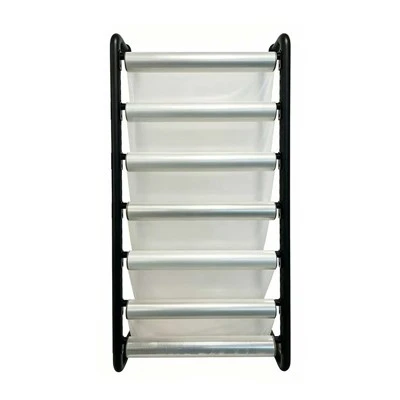
The primary function of low-transmittance white film is to reduce light transmission and enhance the material's opacity. Containing white pigments or functional fillers, the film scatters and reflects incident light, thereby limiting light penetration. In sectors such as packaging, labeling, and industrial materials, low-transmittance white film effectively conceals contents or internal structures, meeting requirements for light shielding and product privacy.
Low-transmittance white film offers effective light protection. By blocking portions of ultraviolet and visible light, it mitigates the impact of light exposure on product performance and quality. For the packaging of food, pharmaceuticals, cosmetics, and certain electronic products, the use of this film helps delay aging, discoloration, or performance degradation, thereby enhancing stability during storage and transport.
Low-transmittance white film also improves product aesthetics and functional performance. Its uniform white appearance enhances the product's visual appeal while providing an excellent substrate for printing, coating, and lamination processes. In practical applications, the film combines decorative qualities with enhanced durability and functionality, making it widely used in packaging, electronics, construction, and industrial manufacturing.