
Hey there! As a supplier of Clear TPU Film, I often get asked a ton of questions about its features and performance. One of the most common queries is whether Clear TPU Film is resistant to salt water. So, I thought I'd dive deep into this topic and share some insights with you.
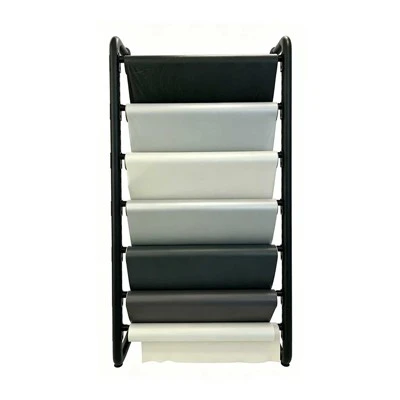
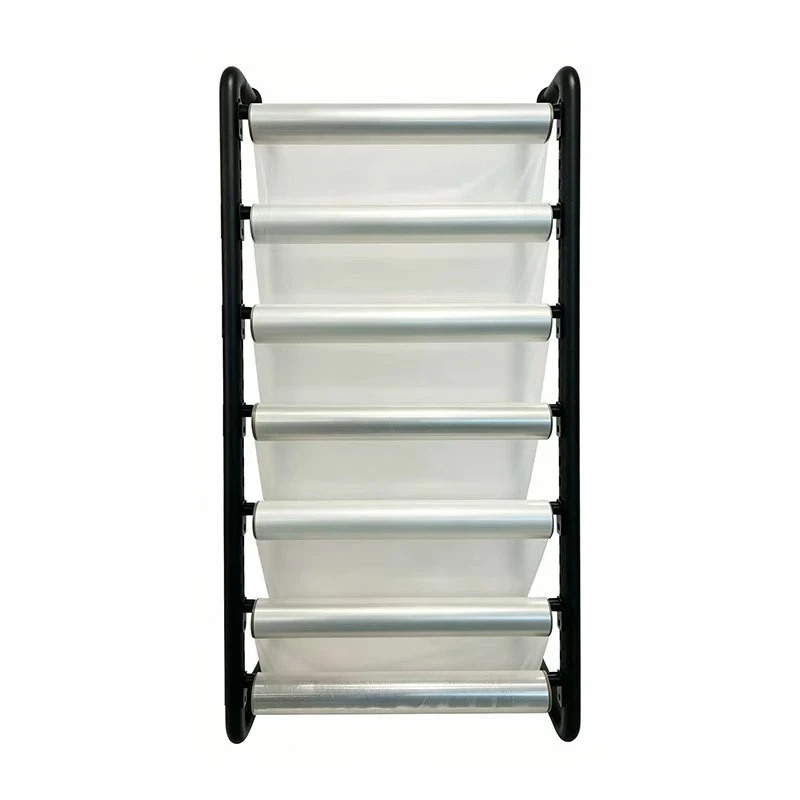
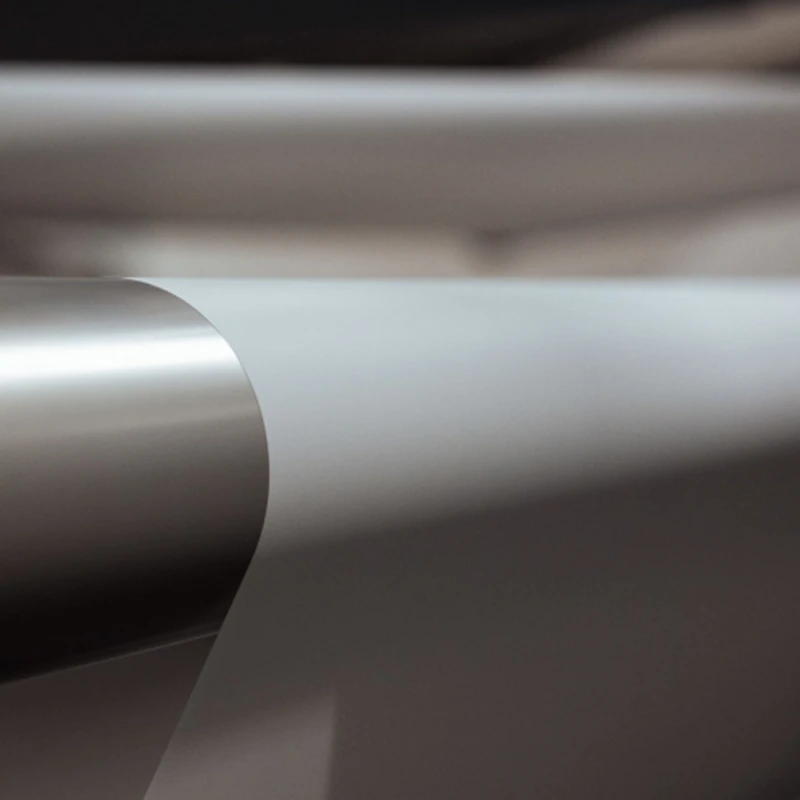
First off, let's understand what Clear TPU Film is. TPU stands for thermoplastic polyurethane, which is a type of plastic known for its flexibility, durability, and transparency. Clear TPU Film is a thin, see - through sheet made from this material. It has a wide range of applications, from phone cases to medical equipment, and even in the marine industry.
Now, let's talk about salt water. Salt water is a harsh environment. The salt in the water can cause corrosion, degradation, and other forms of damage to many materials. When it comes to Clear TPU Film, its resistance to salt water depends on a few factors.
Composition and Structure
The chemical composition of TPU plays a huge role in its salt - water resistance. There are two main types of TPU: polyester - based and polyether - based. Polyester TPU Film, which you can learn more about here, generally has good mechanical properties and abrasion resistance. However, it's more susceptible to hydrolysis in the presence of water, especially salt water. The salt in the water can speed up the hydrolysis process, which breaks down the polymer chains in the TPU.
On the other hand, Polyether Polyurethane Film, check it out here, is more resistant to hydrolysis. It has a more stable chemical structure in water, making it a better choice if the film is going to be exposed to salt water. The polyether groups in the polymer chains are less likely to react with the water and the salts in it.
Thickness of the Film
The thickness of the Clear TPU Film also matters. A thicker film will generally provide better protection against salt - water damage. A thin film might be more prone to allowing the salt water to penetrate and cause damage to the underlying surface or start degrading the film itself. However, you need to balance thickness with other factors like flexibility and cost.
Exposure Time and Conditions
The length of time the film is exposed to salt water and the conditions of exposure are crucial. If the film is only briefly splashed with salt water and then dried quickly, it's likely to withstand the exposure without significant damage. But if it's constantly submerged in salt water, especially in warm and humid conditions, the risk of damage increases. High temperatures can accelerate chemical reactions, and humidity can make it easier for the salt water to penetrate the film.
Testing and Research
There have been various studies and tests on the salt - water resistance of TPU films. Some laboratory tests involve immersing samples of TPU films in salt - water solutions for extended periods and then examining them for changes in physical properties such as tensile strength, elongation, and transparency. These tests help us understand how different types of TPU films perform under controlled salt - water conditions.
In real - world applications, we've seen Clear TPU Film being used in marine environments, like on boats for protective covers. In many cases, it holds up pretty well when it's a high - quality, polyether - based film. However, over time, there might still be some minor signs of wear and tear, such as a slight loss of transparency or a bit of surface cracking.
Other Applications and Benefits
Clear TPU Film isn't just for dealing with salt water. It has a bunch of other great characteristics that make it super useful. For example, it's often used as a TPU Breathable Membrane. This is really handy in sports apparel and footwear, where breathability is essential but you also need protection from the elements.
It's also a popular choice for creating Membrana TPU Waterproof products. Whether it's for outdoor gear or industrial applications, its waterproof properties are top - notch. And of course, the clarity of the film makes it ideal for applications where you need to see through it, like in display cases or some types of packaging.
Our Clear TPU Film Offerings
At our supply, we have a wide range of Clear TPU Film options. We can provide both polyester - based and polyether - based films, depending on your specific needs. If you're looking for a film that will be used in a salt - water environment, our polyether - based Clear TPU Film, which you can read more about here, is a great choice. We can also customize the thickness and other properties of the film to meet your requirements.
Conclusion and Call to Action
In conclusion, while Clear TPU Film can be resistant to salt water, especially when it's a polyether - based type, there are still factors like exposure time and conditions that can affect its performance. But overall, it's a versatile and reliable material for many applications, including those involving salt - water exposure.
If you're interested in learning more about our Clear TPU Film or have a specific project in mind, don't hesitate to reach out. We're here to answer all your questions and help you find the perfect solution for your needs. Whether it's for a small - scale DIY project or a large - scale industrial application, we've got you covered.
References
- "Thermoplastic Polyurethane Elastomers: Science and Technology" by Christopher K. Riew.
- Various industry research reports on TPU film properties and applications.