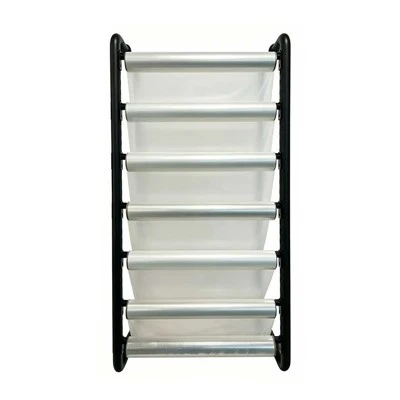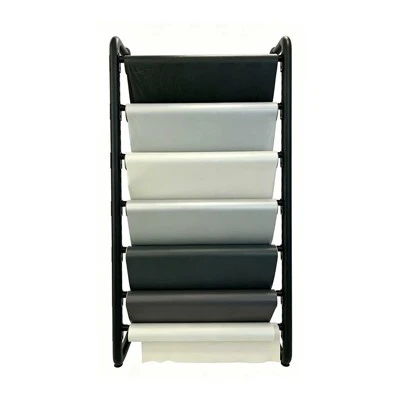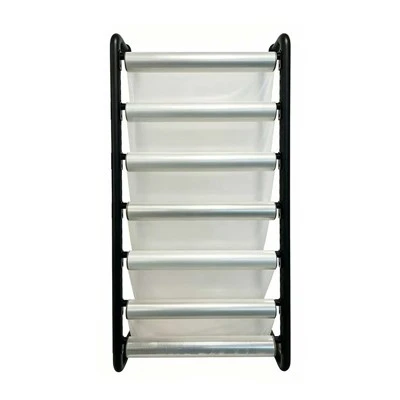
Low-transmittance white films are typically produced using polymer substrates-such as polyethylene (PE), polypropylene (PP), or polyester (PET)-combined with white pigments, inorganic fillers, or functional additives. Materials such as titanium dioxide, barium sulfate, and calcium carbonate are commonly used as whitening and opacifying fillers to effectively increase the film's whiteness and reduce light transmission.
The production process begins by uniformly mixing the resin raw materials with fillers, dispersing agents, and other functional additives according to the specific formulation. This mixture undergoes melt-blending in a twin-screw extruder to ensure the thorough dispersion of all components within the polymer matrix. The material is then processed into film via cast or blown film extrusion, followed by cooling, stretching, and winding stages tailored to specific performance requirements. Precise control over filler loading, film thickness, and processing parameters allows for the accurate adjustment of light transmission and opacity.
To further enhance product performance, some low-transmittance white films utilize multilayer co-extrusion or surface treatment techniques. Multilayer designs balance opacity, mechanical strength, and processability, while surface modification methods-such as corona treatment or coating-improve printability, lamination performance, and abrasion resistance. Following final quality inspection, the resulting low-transmittance white films meet the application requirements of sectors such as packaging, labeling, construction, and electronics.