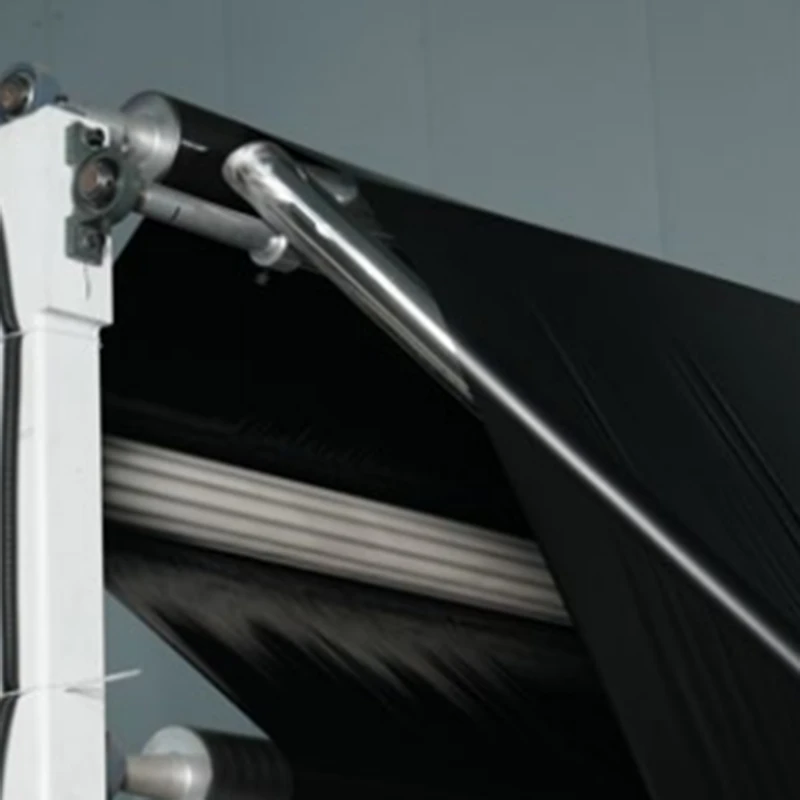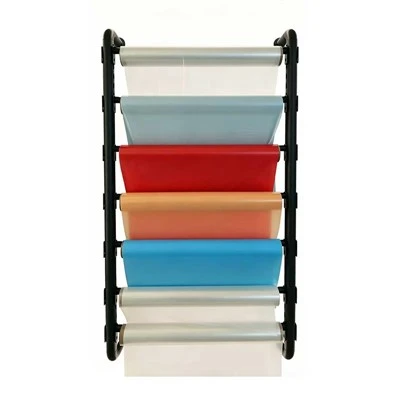
During the transportation of light-blocking black film, priority must be given to preventing mechanical damage and mitigating the impact of environmental changes on material properties. As these films are typically supplied in rolls, they require careful handling during loading and unloading to prevent deformation of the roll core, edge damage, or surface wrinkling caused by drops, impacts, or crushing, all of which could compromise subsequent performance.
Storage and transport conditions should remain dry and well-ventilated, avoiding prolonged exposure to high temperatures or direct sunlight. High temperatures can cause the film to soften or layers to adhere to one another, while direct sunlight may accelerate material aging, thereby affecting physical properties and light-blocking stability. Consequently, light-proof and moisture-resistant packaging materials are generally required for protection during transit.
The rolls should be stacked neatly according to specifications and properly secured to prevent rolling, sliding, or deformation due to compression during transport. Furthermore, they should not be transported alongside sharp objects or corrosive substances to avoid physical damage or chemical contamination that could impair product quality.
For long-distance transport, the "First-In, First-Out" (FIFO) principle should be observed, and the integrity of the packaging must be inspected. Any damaged or moisture-affected packaging should be addressed or repacked promptly to ensure the product remains in optimal condition upon arrival at its destination.