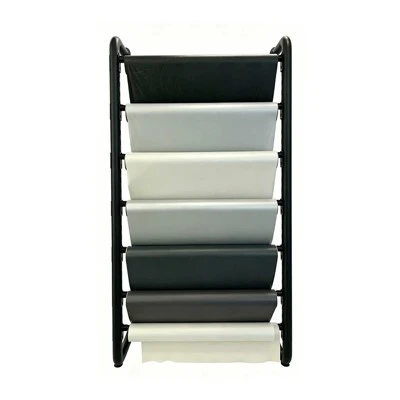

As a supplier of Clear TPU Film, I am often asked about its sound insulation performance. In this blog post, I will delve into the scientific aspects of the sound insulation capabilities of Clear TPU Film, exploring the factors that influence it and its applications in various scenarios.
Understanding Sound Insulation
Before discussing the sound insulation performance of Clear TPU Film, it's essential to understand the basic principles of sound insulation. Sound is a mechanical wave that travels through a medium, such as air, solid, or liquid. When sound waves encounter a material, they can be reflected, absorbed, or transmitted through the material.
The effectiveness of a material in sound insulation is measured by its Sound Transmission Class (STC) and Noise Reduction Coefficient (NRC). The STC rating indicates how well a material reduces airborne sound transmission, with higher values representing better sound insulation. The NRC measures the percentage of sound energy absorbed by a material; an NRC of 1 means that the material absorbs all incident sound, while an NRC of 0 means it reflects all sound.
Sound Insulation Mechanisms of Clear TPU Film
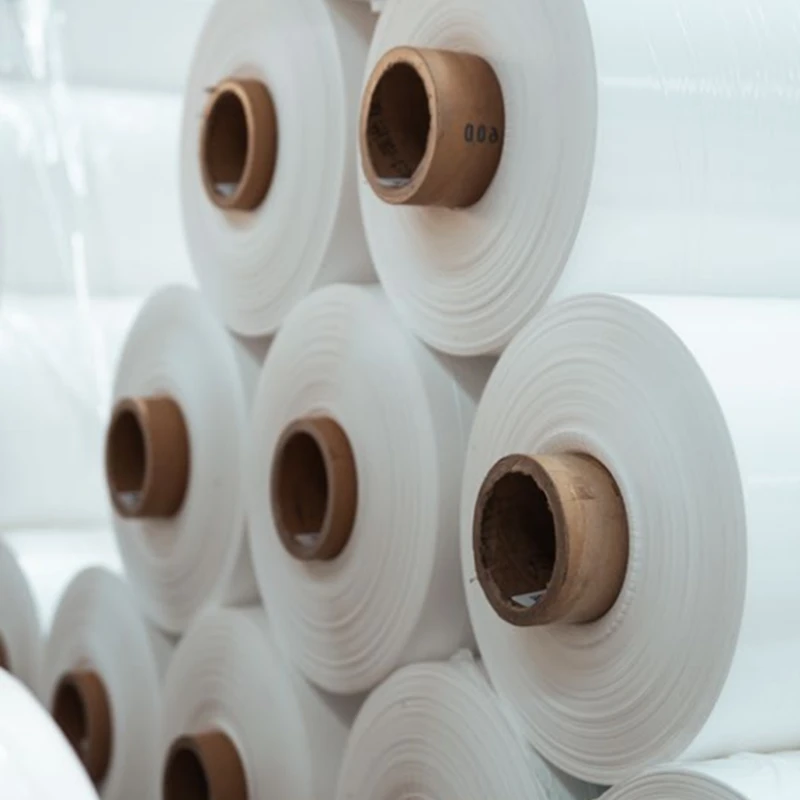
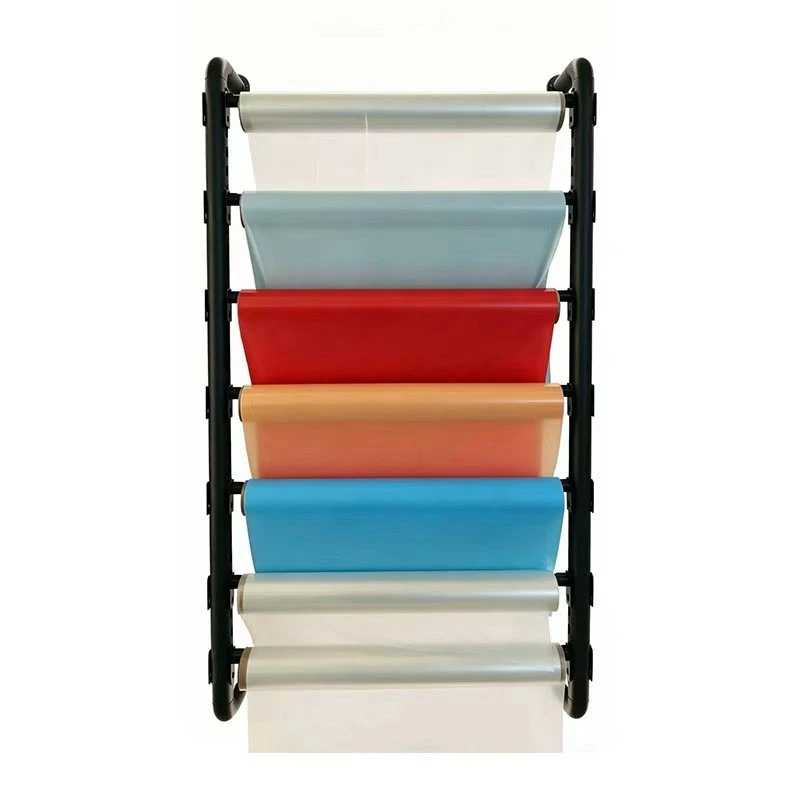
Clear TPU (Thermoplastic Polyurethane) Film is a versatile material known for its transparency, flexibility, and durability. Its sound insulation performance can be attributed to several mechanisms:
Mass Law
According to the mass law, the sound insulation of a material increases with its mass per unit area. Clear TPU Film has a relatively high density compared to some other thin films. This means that for a given thickness, it can provide better sound insulation due to its greater mass. When sound waves hit the film, the mass of the TPU resists the movement caused by the sound waves, reducing the amount of sound that can be transmitted through it.
Viscous Damping
TPU is a viscoelastic material, which means it exhibits both viscous and elastic properties. When sound waves cause the film to vibrate, the viscous component of TPU dissipates the energy of the vibrations as heat. This energy dissipation reduces the amplitude of the vibrations and, consequently, the amount of sound that is radiated from the other side of the film.
Resonance Absorption
Clear TPU Film can also absorb sound through resonance absorption. The film has its own natural frequencies of vibration. When the frequency of the incident sound wave matches one of these natural frequencies, the film vibrates more vigorously. The viscoelastic properties of TPU then convert the vibrational energy into heat, effectively absorbing the sound.
Factors Affecting the Sound Insulation Performance of Clear TPU Film
Several factors can influence the sound insulation performance of Clear TPU Film:
Thickness
Thicker Clear TPU Film generally provides better sound insulation. As the thickness increases, the mass per unit area also increases, following the mass law. Additionally, a thicker film can have more internal damping, which enhances the energy dissipation of sound waves.
Density
The density of the TPU material affects its sound insulation capabilities. Higher density films have more mass, which can better resist the transmission of sound waves. Different formulations of TPU can have varying densities, and suppliers can optimize the density to improve sound insulation.
Lamination and Composite Structures
Combining Clear TPU Film with other materials in a laminated or composite structure can significantly enhance its sound insulation performance. For example, laminating the TPU film with a sound - absorbing foam layer can increase both the absorption and the overall mass of the structure, leading to better sound insulation.
Applications of Clear TPU Film for Sound Insulation
Clear TPU Film's sound insulation properties make it suitable for a variety of applications:
Automotive Industry
In the automotive industry, Clear TPU Film can be used in door panels, headliners, and dashboards to reduce the transmission of external noise into the vehicle cabin. Its transparency also allows for applications where visibility is required, such as in some interior design elements.
Construction
In construction, the film can be used in windows or partitions. For example, it can be applied as an additional layer on glass windows to improve sound insulation without sacrificing transparency. This is particularly useful in buildings located in noisy environments, such as near airports or busy roads.
Consumer Electronics
Clear TPU Film can be used in the casing or internal components of consumer electronics, such as smartphones and tablets, to reduce the noise generated by internal components or to prevent external noise from interfering with the device's operation.
Comparing Clear TPU Film with Other Sound - Insulating Materials
When comparing Clear TPU Film with other sound - insulating materials, it has several advantages. Unlike some opaque materials, its transparency makes it suitable for applications where visual aesthetics are important. Polyether Polyurethane Film and TPU Breathable Membrane also share some of the TPU family's characteristics but may have different performance profiles depending on their specific formulations.
Compared to traditional acoustic foams, Clear TPU Film is more durable and can withstand harsh environments. Additionally, it can be easily fabricated into different shapes and sizes, making it a versatile option for various sound - insulation applications.
Testing and Certification
To accurately determine the sound insulation performance of Clear TPU Film, standardized testing methods are used. These tests typically involve measuring the sound transmission loss of the film in a laboratory setting under controlled conditions.
Many suppliers, including us, ensure that our products meet relevant industry standards and certifications for sound insulation. This gives customers confidence in the performance of the Clear TPU Film they are purchasing.
Conclusion
In conclusion, Clear TPU Film offers a unique combination of transparency, flexibility, and sound insulation capabilities. Its sound insulation performance is influenced by factors such as thickness, density, and composite structure. With its wide range of applications in automotive, construction, and consumer electronics, it is a valuable material for noise control.
If you are interested in exploring the use of Clear TPU Film for your sound - insulation needs, or if you want to learn more about our Clear TPU Film, we invite you to contact us for a detailed discussion. We can provide samples, technical specifications, and guidance on the best solutions for your specific requirements.
References
- Beranek, L. L., & Ver, I. L. (Eds.). (1992). Noise and vibration control engineering: principles and applications. John Wiley & Sons.
- Craik, R. J. (2004). The physics of polymers: Concepts for understanding their structures and behavior. John Wiley & Sons.
- Fahy, F. J., & Gardonio, P. (2007). Sound and structural vibration: radiation, transmission and response. Academic Press.