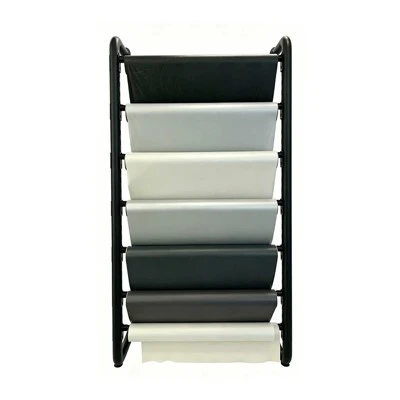

In the realm of modern materials, TPU laminated film has emerged as a versatile and widely - used product, finding applications in various industries such as fashion, automotive, and electronics. As a TPU laminated film supplier, I often encounter questions from customers regarding the biodegradability of this material. This blog aims to delve into the scientific aspects of whether TPU laminated film is biodegradable.
Understanding TPU Laminated Film
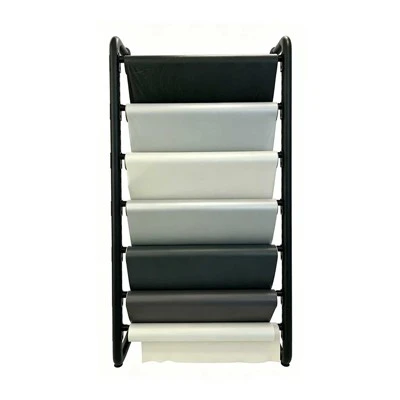
TPU, or thermoplastic polyurethane, is a type of polymer that combines the properties of rubber and plastic. TPU laminated film is created by laminating a TPU layer onto another substrate, which can be fabric, paper, or other materials. This process enhances the film's strength, durability, and flexibility, making it suitable for a wide range of applications. For example, in the fashion industry, TPU Laminated Film is used to make waterproof and windproof clothing, while in the automotive sector, it serves as a protective layer for car interiors.
Biodegradability Defined
Biodegradability refers to the ability of a material to be broken down by microorganisms such as bacteria, fungi, and algae into simpler substances like water, carbon dioxide, and biomass under natural environmental conditions. The process of biodegradation can occur in different environments, including soil, water, and compost.
The Chemistry of TPU and Its Implications for Biodegradability
The chemical structure of TPU plays a crucial role in determining its biodegradability. TPU is composed of long - chain polymers with urethane linkages. These polymers are relatively stable and resistant to degradation due to their strong chemical bonds.
In general, traditional TPU materials are not readily biodegradable. The strong intermolecular forces and the complex chemical structure of TPU make it difficult for microorganisms to break it down. Microbes need specific enzymes to cut the polymer chains, and the chemical nature of TPU does not provide an easy target for these enzymes.
However, there has been significant research in recent years on developing biodegradable TPU. Scientists are modifying the molecular structure of TPU by incorporating biodegradable monomers or additives. These modified TPUs are designed to have a more labile chemical structure that can be attacked by microorganisms. For instance, some researchers are using polyester - based soft segments in TPU, which are more susceptible to hydrolysis and enzymatic degradation.
Environmental Factors Affecting Biodegradation of TPU Laminated Film
Even if a TPU laminated film has the potential to be biodegradable, the actual degradation process is highly influenced by environmental factors.
- Temperature: Microorganisms are most active within a specific temperature range. In general, warmer temperatures (around 20 - 40°C) promote the growth and metabolic activity of bacteria and fungi, which can speed up the biodegradation process. In colder environments, the rate of biodegradation slows down significantly.
- Humidity: Adequate moisture is essential for the survival and activity of microorganisms. In a dry environment, the growth of microbes is inhibited, and the biodegradation of TPU laminated film is likely to be very slow. On the other hand, in a highly humid or water - rich environment, such as a wetland or a compost heap, the chances of biodegradation are higher.
- Oxygen Availability: Most microorganisms involved in biodegradation require oxygen to carry out their metabolic processes. In an aerobic environment (with sufficient oxygen), the biodegradation of organic materials is more efficient. In anaerobic environments (low or no oxygen), the degradation process is different and generally slower, often producing methane as a by - product.
Comparing TPU Laminated Film with Other Biodegradable Materials
When comparing TPU laminated film with well - known biodegradable materials such as polylactic acid (PLA) and polyhydroxyalkanoates (PHA), some distinct differences can be observed.
- PLA: PLA is a widely - used biodegradable polymer derived from renewable resources such as corn starch or sugarcane. It has a relatively simple chemical structure and can be broken down by microorganisms in composting conditions within a few months. In contrast, traditional TPU laminated film will take much longer or may not degrade at all under the same conditions.
- PHA: PHA is a family of polyesters synthesized by microorganisms. It is highly biodegradable and can be used in various applications similar to TPU. However, PHA is often more expensive to produce compared to TPU, which makes TPU a more cost - effective option in many industries.
Practical Considerations in Assessing Biodegradability
As a TPU laminated film supplier, it is important to provide accurate information to customers about the biodegradability of our products. We recommend conducting tests in specific environmental conditions relevant to the customer's application. For example, if the TPU laminated film is used in an outdoor product that will be exposed to soil and moisture, a soil burial test can be conducted to assess its biodegradability.
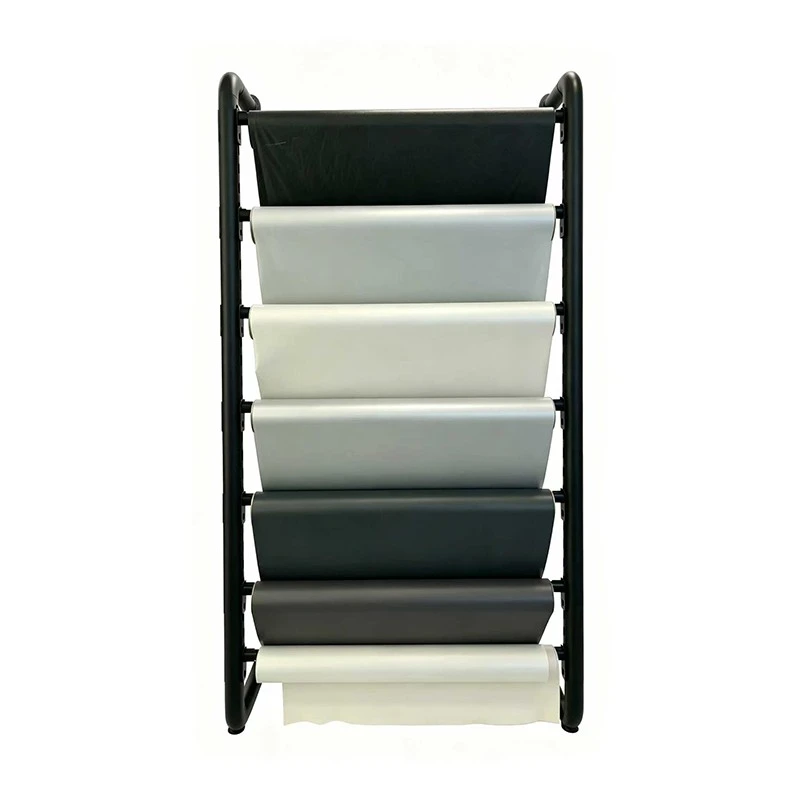
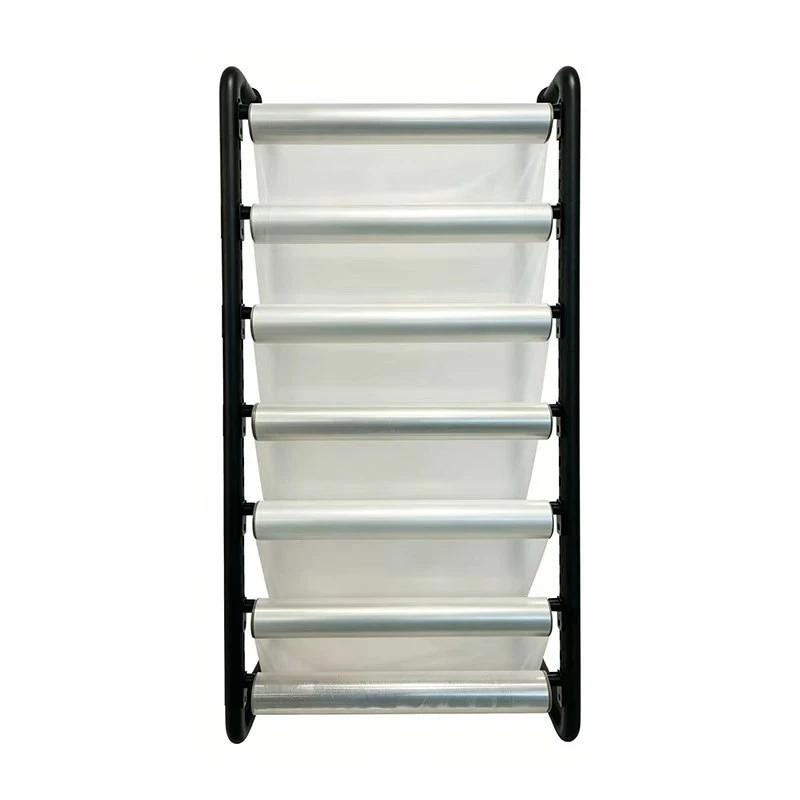
We also offer different types of TPU laminated films to meet the diverse needs of our customers. Our Crystal White TPU Film is known for its high clarity and excellent mechanical properties. The Ultra - Clear White Glue Film provides a strong adhesive bond, while the TPU Sheet Material offers good flexibility and strength. Additionally, our Translucent White Hot Melt Glue Film is suitable for applications requiring a reliable and heat - activated adhesive.
The Future of Biodegradable TPU Laminated Film
The demand for sustainable materials is increasing, and the development of biodegradable TPU laminated film is a promising area of research. As technology advances, we expect to see more environmentally friendly TPU products on the market. These products will not only meet the performance requirements of various industries but also have a reduced environmental impact.
Contact for Purchase and Discussion
If you are interested in learning more about our TPU laminated film products or discussing the biodegradability aspects in more detail, please feel free to contact us. We are always ready to provide you with professional advice and high - quality products.
References
- Albertsson, A. C., & Varma, I. K. (2002). Degradation and stability of polyurethanes. Progress in Polymer Science, 27(11), 1627 - 1666.
- Karlsson, S., & Albertsson, A. C. (1994). Biodegradation of polyurethanes: a review. Polymer Degradation and Stability, 46(2), 159 - 173.
- Labet, M., & Thielemans, W. (2009). Polylactide (PLA) - based nanocomposites. Chemical Society Reviews, 38(8), 2484 - 2504.