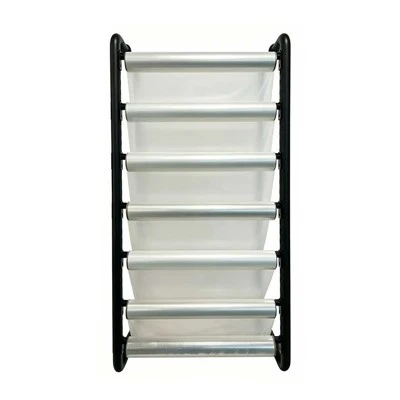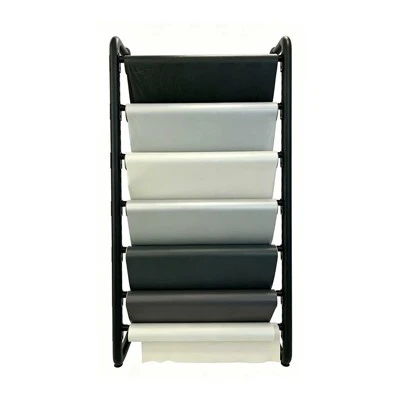
The production of highly transparent white films typically utilizes polymer resins as the base material, incorporating white fillers and functional additives through precise formulation design to achieve an optical balance of high light transmission and whiteness. Common base materials include polyethylene (PE) and polypropylene (PP); the compounding stage requires precise ratios of resin, whitening agents, dispersants, and stabilizers, with high-speed mixing equipment ensuring the thorough and uniform dispersion of all components.
Raw materials undergo melt plasticization and blending in a twin-screw extruder to achieve stable dispersion of the fillers within the polymer matrix. Subsequently, film formation is carried out using either the cast film or blown film process based on product specifications; the casting process is preferred for products requiring superior thickness uniformity and optical properties, whereas the blown film process is better suited for large-scale continuous production. Strict control of temperature, screw speed, and cooling conditions is essential throughout the process to ensure the structural stability of the film.
The formed film undergoes subsequent stages such as haul-off, cooling and setting, and winding. Optional treatments-such as corona treatment or surface modification-may be applied to enhance printability, lamination compatibility, and downstream processing performance. Finally, comprehensive quality inspections assess light transmission, haze, thickness uniformity, and mechanical properties; only products meeting the required standards proceed to packaging and shipment, thereby ensuring the overall quality and application performance of the highly transparent white film.