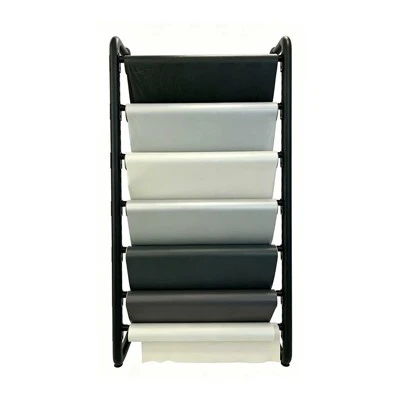
Light-blocking black films are typically categorized into different grades based on their opacity and usage requirements to meet the diverse needs of various applications. Basic-grade products are primarily intended for general packaging or temporary screening purposes; while their light-blocking capability is relatively limited, they offer low costs and good processability, making them suitable for scenarios where strict opacity is not required.
Mid-grade light-blocking black films strike a balance between opacity and overall physical properties, effectively blocking most visible light while maintaining a degree of flexibility and mechanical strength. These products hold a significant market share and are widely used in industrial packaging, agricultural mulching, and general protective applications.
High-grade light-blocking black films offer near-total opacity, typically achieved by increasing carbon black content and optimizing dispersion processes. These products demand high raw material purity and precise manufacturing techniques, delivering stable light-blocking performance even in intense light environments; consequently, they are frequently used for packaging light-sensitive items such as food, pharmaceuticals, and precision components.
Furthermore, for certain high-end applications, grades are further subdivided based on functional requirements-such as enhanced-opacity films or multifunctional composite films. These products not only provide exceptional opacity but may also incorporate features like UV resistance, thermal insulation, or antistatic properties to meet the demands of complex operating environments and rigorous industry standards.