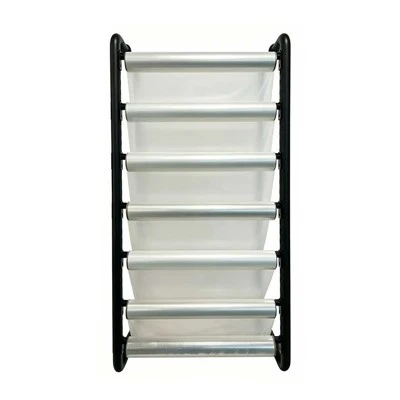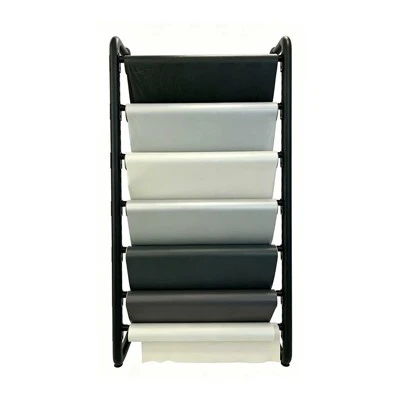
The density of highly transparent white films depends primarily on the type of base resin and the proportion of fillers added. There are significant differences in the intrinsic densities of common base resins: polyethylene (PE) is generally around 0.91–0.93 g/cm³, polypropylene (PP) is about 0.90–0.91 g/cm³, and polyester (PET) is relatively higher at approximately 1.33–1.39 g/cm³. Consequently, the choice of base resin directly influences the overall density of the film.
To achieve the desired high transparency and whiteness during production, inorganic fillers such as titanium dioxide, calcium carbonate, or barium sulfate are typically incorporated. Since the densities of these fillers generally exceed that of the polymer matrix, adding them-depending on the proportion-significantly raises the film's overall density. Furthermore, the uniformity of filler dispersion affects density stability; poor dispersion can lead to localized density variations, thereby compromising product performance consistency.
In general, the density of highly transparent white films ranges from 0.95 to 1.50 g/cm³, with specific values determined by formulation design and application requirements. For packaging or lightweighting applications, density is usually kept lower to reduce costs and enhance flexibility; conversely, in scenarios requiring superior opacity and rigidity, filler content is increased to achieve higher density and enhanced structural performance.